O Level Chemistry Class: Professional Chemistry Classes for Secondary Students for Sec 4 Students
Skilled Chemistry Coaches for Customized Academic Growth
Expert chemistry tutors play a pivotal role in enhancing student comprehension through personalized learning. They assess individual needs and modify their teaching methods accordingly. By utilizing various techniques, these educators establish an engaging environment that fosters confidence and curiosity. This tailored approach not only helps with mastering complex concepts but also ignites a deeper interest in chemistry. What specific methods do these tutors employ to accomplish such effective results?
Overcoming Chemistry Struggles A Role of Personalized Tutoring
As students struggle with the complexities of chemistry, customized instruction becomes an essential resource for overcoming academic challenges. Many learners struggle with theoretical ideas, complex equations, and analytical methods inherent to the subject. Personalized tutoring tackles these obstacles by adapting instruction to individual learning styles and paces. This tailored method allows tutors to identify specific areas of difficulty, ensuring that students receive targeted support.
Moreover, custom tutoring generates a more captivating learning environment, where students feel comfortable inquiring about topics and diving deep into material in depth. Tutors can leverage various teaching methods, such as visual aids or interactive experiments, to boost comprehension. By nurturing a supportive relationship, tutors also bolster students' confidence, driving them to tackle challenging material.
Ultimately, the role of personalized tutoring is vital in helping students navigate their chemistry struggles, creating opportunities for improved understanding and achievement in the subject.
The Positive Aspects of One-on-One Chemistry Coaching
One-on-one chemistry instruction offers distinct advantages that improve the educational experience. This customized approach allows instructors to tailor their teaching methods to the specific requirements of each learner, ensuring that specific topics are thoroughly comprehended. Learners can progress at their own speed, which fosters greater self-assurance and decreases stress connected with group environments.
Additionally, one-on-one tutoring facilitates face-to-face interaction, offering rapid feedback and clarification of uncertainties. This method encourages engaged participation, transforming study more interactive and beneficial. The personalized attention also permits tutors to recognize and resolve knowledge deficiencies that might obstruct a learner's grasp of intricate topics.
Additionally, learners can copyrightine their interests within the subject more extensively, resulting in a more enriching educational journey. Overall, one-on-one chemistry tutoring fosters a supportive learning environment that significantly enhances student achievement and engagement for the subject.
Appraising Learner Needs in Chemistry Teaching
How can instructors effectively evaluate the unique conditions of each chemistry student? A thorough assessment method is essential for identifying individual skills and weaknesses. Initially, educators may apply diagnostic assessments, which test a student's current knowledge and skill level in chemistry. This can include short assessments or informal interviews to understand a student's background and specific areas of difficulty.
Additionally, tracking student involvement during classes can provide perspectives into their learning preferences and emotional responses. Feedback from students about their encounters can further clarify their needs. Tutors should also evaluate the academic objectives of students, whether they are readying for assessments, improving grades, or cultivating comprehensive knowledge of chemistry concepts.
Customizing Educational Techniques for Different Student Learning Needs
Proficient chemistry education demands an grasp of multiple learning preferences, including visual, auditory, and kinesthetic approaches. By adapting approaches to these needs, tutors can boost student engagement and comprehension. Applying specific methods can substantially enhance the learning experience for each individual.
Visual Learning Techniques
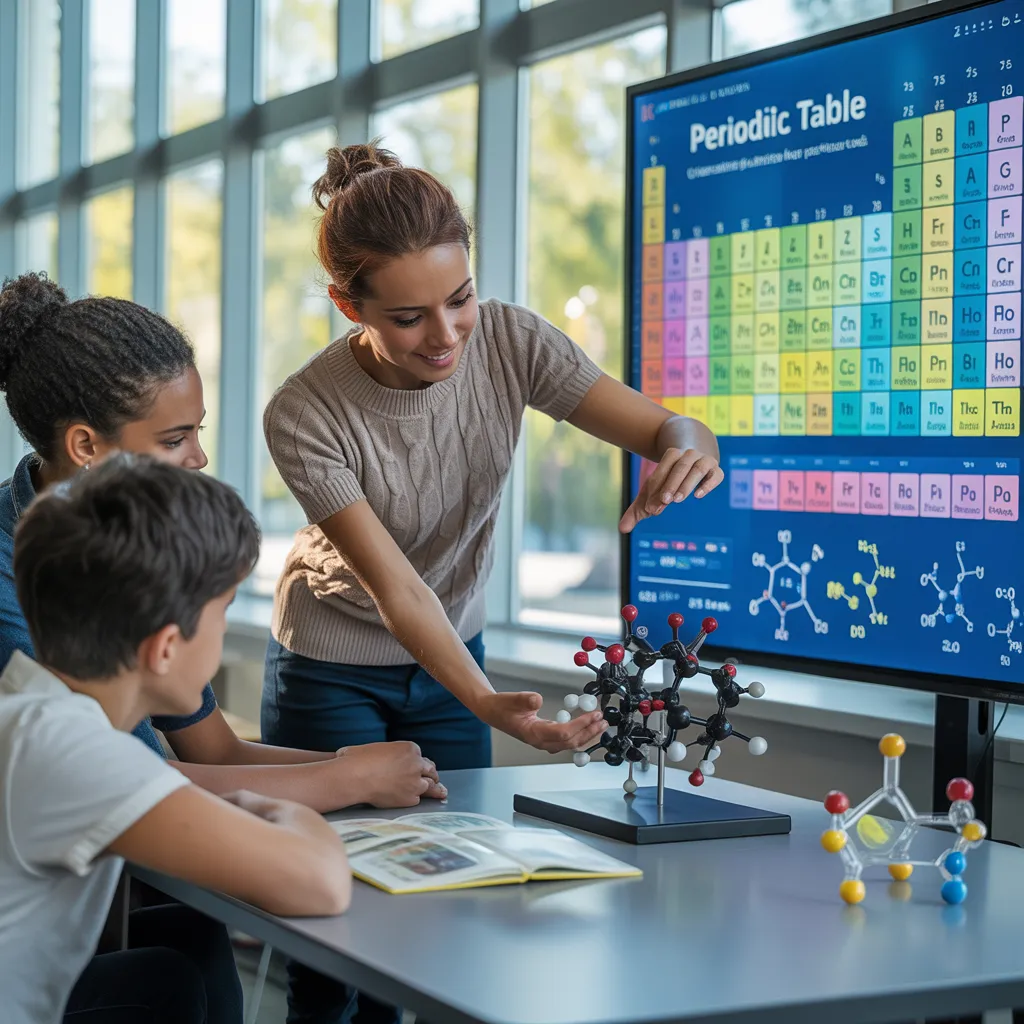
Although many students perceive difficult chemistry concepts through read now established practices, visual learning techniques can significantly enhance understanding for those who thrive on mental pictures and spatial reasoning. Instruction providers can incorporate sketches, atomic models, and charts to present chemical reactions and chemical structures, making conceptual ideas more perceivable. Making use of color-coded notes and engaging simulations can also motivate visual learners, helping them to envision processes such as bonding or reaction mechanisms. Furthermore, presenting videos that display experiments or real-world applications of chemistry can furnish understanding and enhance retention. By modifying their teaching approaches to include these visual elements, teachers can construct a more inclusive classroom setting, fulfilling assorted learning preferences and at last fostering a deeper knowledge of chemistry concepts among their students.
Auditory Educational Approaches
Often, hearing-based learners thrive when data is delivered through oral communication, conversations, and verbal explanations. Expert chemistry tutors can improve the learning experience for these students by incorporating methods such as narratives, lectures, and Q&A sessions. Involving students in dialogues about complex concepts allows them to process information more efficiently. Additionally, using mnemonic devices or rhymes can help retention of chemical formulas and reactions. Tutors may also prompt students to verbalize their thinking, promoting a deeper understanding of the material. By tailoring instructional methods to auditory preferences, tutors create a more inclusive learning environment, boosting confidence and mastery in chemistry. This personalized approach ultimately supports students in reaching their academic goals.
Kinesthetic Instructional Approaches
For bodily-kinesthetic learners, hands-on experiences and movement-based tasks are key in grasping intricate principles in chemistry. Expert chemistry tutors can elevate learning by incorporating participatory experiments and hands-on tools. Utilizing models, such as molecular kits, helps students to visualize structures and reactions physically. Additionally, engaging students in lab activities cultivates a deeper understanding of scientific principles through real-world applications. Tutors may also use role-playing scenarios, where students enact chemical processes, reinforcing knowledge through movement. Furthermore, integrating technology, such as virtual labs, provides immersive experiences for those unable to conduct experiments in person. By customizing strategies to align with kinesthetic preferences, tutors can greatly enhance student engagement and insight in chemistry.
Authentic Success Accounts: The Way Chemistry Tutors Provide Value
While many students struggle with the difficulties of the science, success stories abound, showcasing the powerful effect of skilled tutors. One such case involves a high school student who initially was unable to master basic concepts, leading to frustration and declining grades. After engaging with a dedicated tutor, the student not only improved their understanding but also developed a newfound confidence, ultimately obtaining superior grades in their class.
In a specific copyrightple, a college first-year student faced challenges in organic chemistry, feeling overwhelmed by the coursework. Through tailored tutoring sessions that emphasized problem-solving techniques and practical copyrightples, the student turned their performance around, securing a place on the Dean's List. These stories demonstrate how personalized attention and expert guidance can bridge gaps in understanding, empower students to overcome academic obstacles, and inspire a lasting appreciation for the subject. Chemistry tutors play a pivotal role in shaping successful educational journeys, building expertise and engagement.
What Renders a Talented Chemistry Teacher?
An outstanding chemistry tutor possesses a unique blend of knowledge and people skills that fosters effective learning. Their comprehensive knowledge of chemical concepts enables them to explain difficult subjects in an understandable way, guaranteeing students understand core concepts. Additionally, they remain up-to-date with developments in the discipline, which improves their instructional effectiveness.
Their social skills are equally important. A proficient educator builds connection with students, creating a supportive environment where participants feel secure asking questions. Patience is essential; skilled instructors recognize that each participant advances at their own pace and modify their approach accordingly.
Additionally, skilled chemistry tutors leverage varied teaching methods, including visual aids and practical demonstrations, to accommodate varied learning styles. They also nurture critical thinking and problem-solving, equipping students with skills beyond rote memorization. Ultimately, an outstanding chemistry tutor inspires confidence and curiosity, motivating students to explore the subject further and achieve academic success.
Frequently Posed Questions
How Can I Find a Certified Chemistry Tutor In My Vicinity?
To track down a qualified chemistry coach nearby, people can access online platforms, ask for recommendations from community schools, check neighborhood bulletin boards, or investigate tutoring centers that specialize in science education for custom assistance.
What Does Chemistry Instruction Usually Expense?
Typically, chemistry instruction sessions cost between $30 to $100 per hour, influenced by elements including the tutor's experience, area, and session length. Prices may vary considerably based on specific situations and specific needs.
How Extended Should I Dedicate to Tutoring for Noticeable Improvement?
Tutoring session commitment normally demands at least six to eight weeks for noticeable improvement. Consistent practice, regular assessments, and guidance during this period can significantly enhance understanding and performance in chemistry concepts.
Does Tutoring Support With Sophisticated Chemistry Areas or Only Essentials?
Tutoring can meaningfully support in learning both advanced chemistry topics and introductory principles. Experienced tutors personalize their approach to address individual needs, enabling learners to understand challenging content while reinforcing foundational knowledge necessary for success.
What Skills Should I Seek in a Chemistry Tutor?
A competent chemistry instructor must possess a proper certification, solid comprehension of complex concepts, instructional background, strong interpersonal abilities, and the skill in adapting content to varied educational approaches, guaranteeing thorough support for students.